High-Quality Wholesale Blankets Manufacturer & Supplier in China with custom design service - Blue Phoenix Blankets
Language
The time needed to make a knitted blanket depends on its size, stitch pattern, gauge, working speed and finishing requirements. For a handmade project, estimate active working hours separately from the number of calendar days available. For a wholesale order, knitting is only one stage of the complete production schedule.
A small project with fewer stitches may require less active work than a large, finely knitted blanket. However, a general promise such as “finished in one weekend” is not a reliable estimate for every yarn, pattern or maker.
| Project Type | What the Time Estimate Includes | Best Starting Point |
|---|---|---|
| Hand-knitted blanket | Swatching, casting on, knitting, correcting mistakes, finishing and any approved blocking or drying. | Time a representative section using the actual yarn and stitch pattern. |
| Machine-knitted development sample | Specification review, yarn preparation, programming or setup, knitting, finishing and sample review. | Confirm the design and sample requirements with the manufacturer. |
| Wholesale production order | Material availability, approvals, production scheduling, knitting, finishing, inspection and packing. | Request an order-specific schedule with a clearly defined start and completion point. |
A knitting-time estimate is not a delivery promise. Transport, customs clearance and final delivery may sit outside the manufacturing schedule.
For the same stitch pattern and gauge, increasing the blanket’s area increases the number of stitches to work. A compact throw and a bed blanket should therefore be estimated separately.
Include borders and any additional panels in the plan rather than calculating only the central section.
Gauge describes how many stitches and rows fit into a measured area. Measure a swatch made with the intended yarn, needles and stitch pattern. If the design calls for blocking, evaluate the swatch using the intended finishing method as well.
Two blankets with the same dimensions can require very different stitch counts when their gauges differ.
A repeating pattern that you can work confidently may progress differently from a design requiring frequent chart checks, cable crossings, color changes or counting.
Time the actual pattern repeat. A speed measured while knitting a plain section may not represent a textured or multicolor blanket.
Thicker yarn can produce larger stitches and fewer stitches within the same area, depending on the chosen gauge. However, changing yarn or needle size also changes the finished fabric.
Do not choose larger needles solely to shorten the project. First confirm that the resulting texture, dimensions and drape suit the intended blanket.
Use a comfortable, sustainable pace when estimating. Include the time spent turning rows, checking instructions, joining yarn and correcting mistakes.
Working hours and calendar duration are separate. A project needing 40 active hours would occupy eight weeks at five working hours per week, before allowing for additional interruptions.
Choose the finished dimensions. Separate the main body from any borders or joined panels.
Make a representative swatch. Use the planned yarn, needles and stitch pattern.
Measure gauge. Record stitches and rows over a known distance without stretching the fabric.
Time a representative section. Include ordinary pauses and pattern handling.
Estimate the remaining work. Add casting on, borders, joining, weaving in ends and finishing.
Convert hours into sessions. Divide by the time you realistically expect to spend each week.
The following figures are hypothetical planning inputs, not typical knitting speeds or a promised completion time.
| Planning Input | Example Value |
|---|---|
| Main blanket body | 120 × 150 cm |
| Stitch gauge | 12 stitches per 10 cm |
| Row gauge | 16 rows per 10 cm |
| Calculated body stitch count | 144 stitches × 240 rows = 34,560 stitches |
| Hypothetical effective working rate | 20 stitches per minute |
| Calculated body knitting time | 34,560 ÷ 20 = 1,728 minutes, or 28.8 hours |
This calculation covers a simple rectangular body at the assumed gauge and rate. It excludes swatching, casting on, binding off, separate borders, corrections and finishing. More complex shaping or construction requires a different calculation.
If the timed section is unrepresentative, the result will be misleading. Update the estimate after completing a meaningful portion of the actual blanket.
A blanket is not necessarily complete when the final row is knitted. Depending on the design, remaining work may include joining panels, securing yarn ends, completing edges and checking the finished dimensions.
Allow separate time for any approved washing, blocking and drying. Follow the yarn or product-specific instructions rather than assuming every knitted blanket can receive the same treatment.
Commercial knitted blanket lead time should be confirmed for the specific order. It cannot be calculated by multiplying one hand-knitting estimate by the order quantity.
Ask the manufacturer to explain the stages relevant to the project:
Specification confirmation: Composition, dimensions, stitch design, target weight and edge construction.
Material preparation: Yarn availability, color development and any required approvals.
Sampling: Development, finishing, buyer review and revisions.
Production scheduling: Available equipment and capacity for the approved design.
Knitting and finishing: Including lining or additional assembly where specified.
Inspection and packing: Checks, labels, packaging and shipment preparation.
Some activities may overlap. Others depend on an earlier approval. Request a realistic milestone schedule rather than adding arbitrary durations to every stage.
A useful quotation should clarify when the clock starts and what completion means. For example, the schedule may begin only after final sample approval, material confirmation and receipt of the agreed payment.
Also distinguish an estimated ex-factory date from an estimated arrival date. If the order is intended for a seasonal launch, provide the required arrival date and delivery destination at the inquiry stage.
Provide a complete specification and clear reference images.
Confirm whether you need an existing design or a new development.
Agree on sample review criteria and identify the person giving final approval.
Finalize labels and packaging before they become production bottlenecks.
Discuss changes before applying them to an approved design.
Retain an approved sample and written order specification.
For handmade projects, the equivalent approach is to choose the pattern early, prepare enough suitable yarn and test the construction before starting the full blanket.
How long does it take to make a knitted blanket? The most dependable answer comes from the actual design and working conditions. For hand knitting, use a timed swatch or representative section, calculate the body work and add finishing time.
For wholesale orders, confirm the complete development and production schedule. Clear specifications, timely approvals and a defined delivery requirement are more useful than a universal number of days.
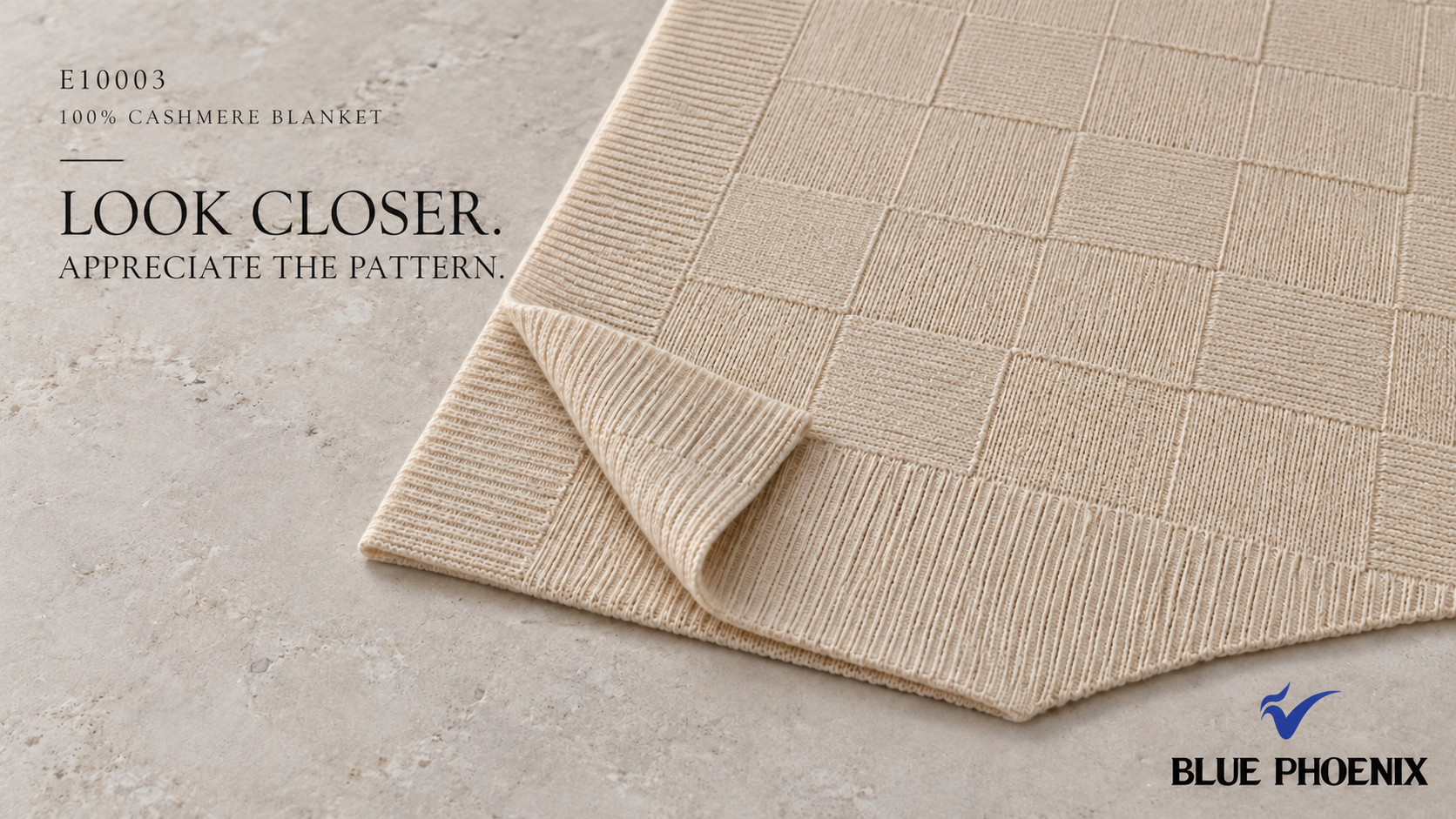
E10003 Cashmere Knitted Blanket
A close-up of ivory rectangular stitch blocks, ribbed edges and a softly turned corner.
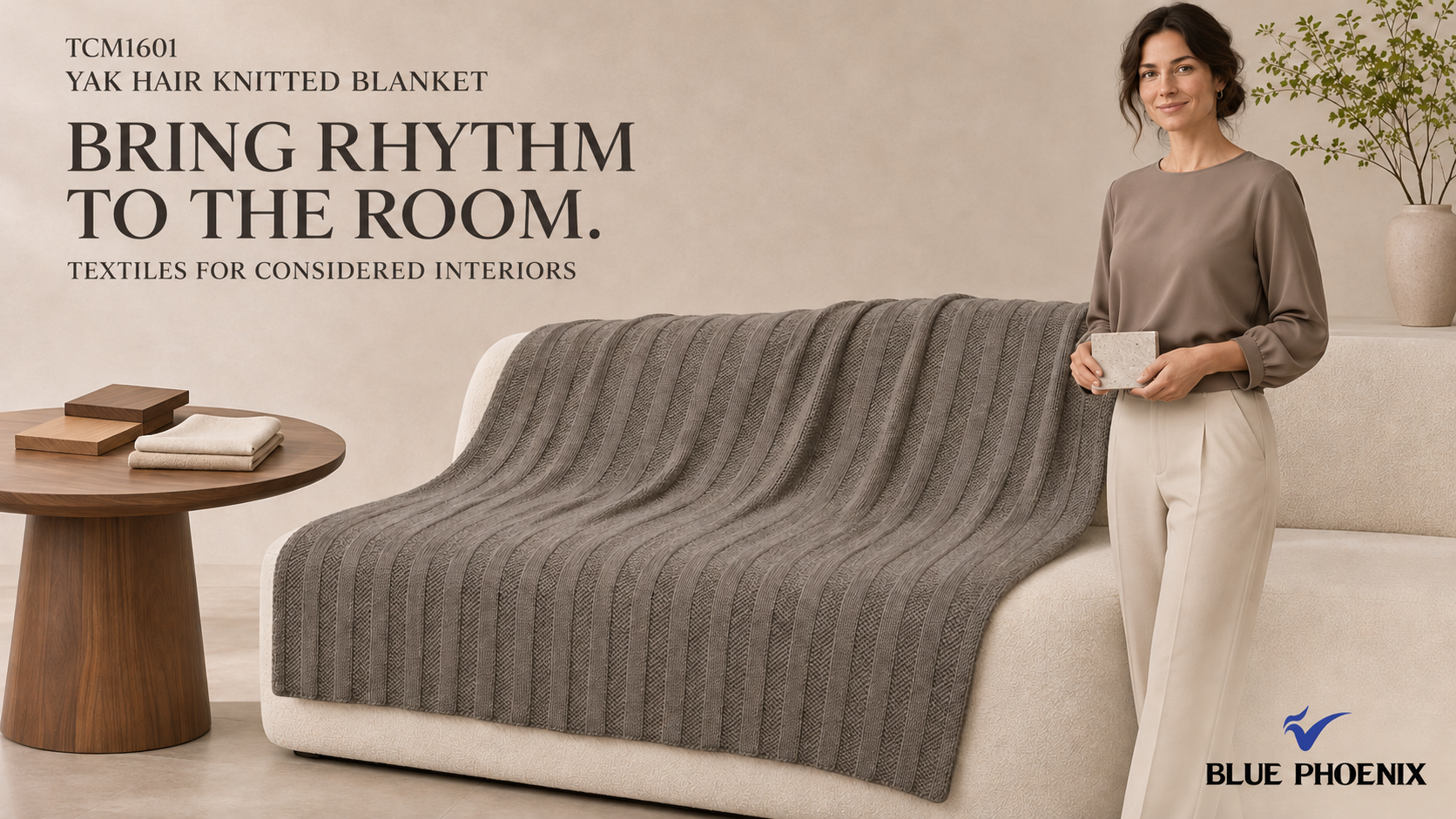
TCM1601 Yak Hair Knitted Blanket
A taupe-grey textured blanket draped over an ivory sofa beside a textile representative.
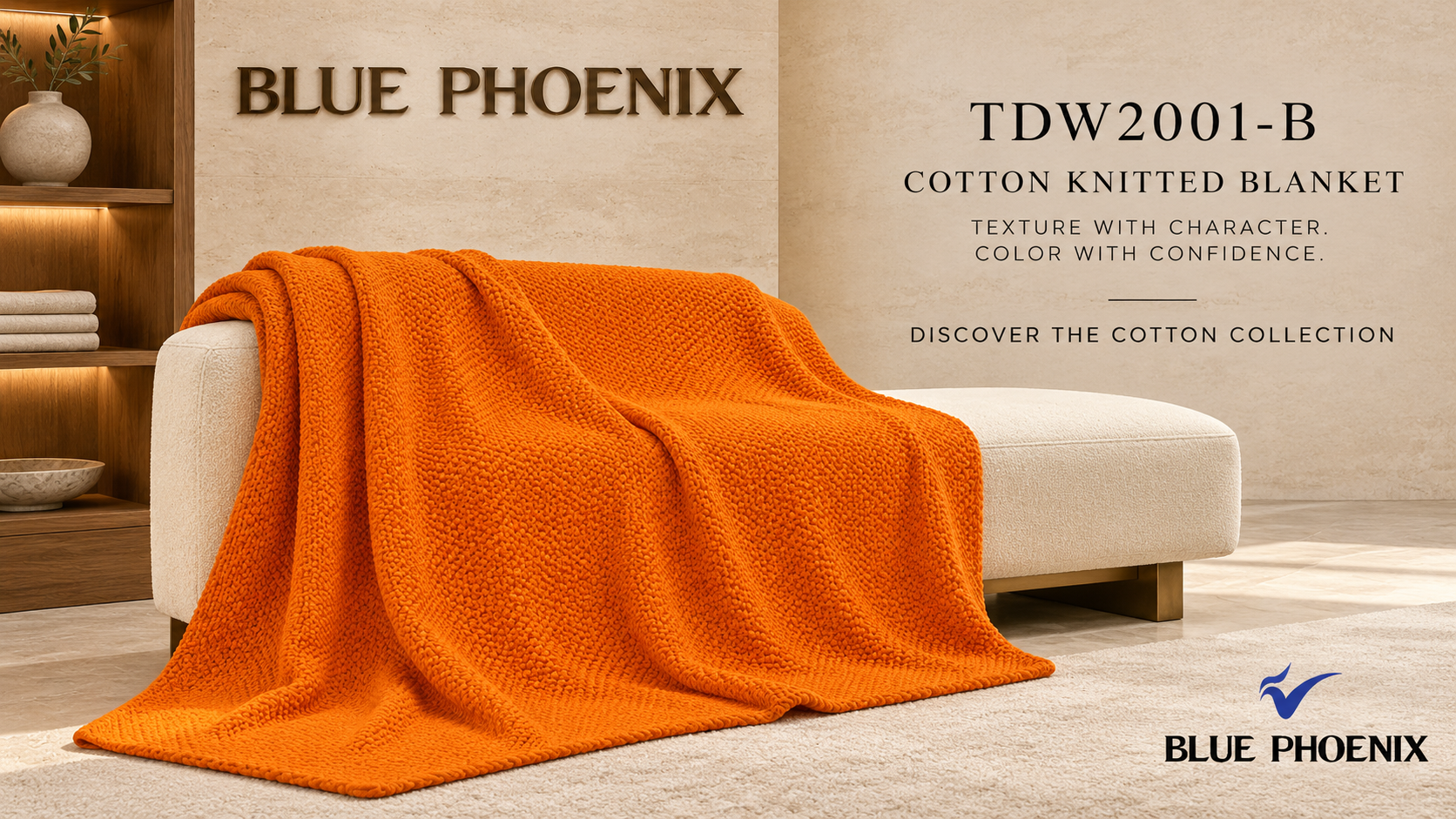
TDW2001-B Cotton Knit Blanket
An orange cotton blanket brings rich knitted texture to an ivory showroom sofa.

TDW2020 Cotton Cable Knit Blanket
A pink cable-knit blanket rests across a seated child’s lap beside her mother.
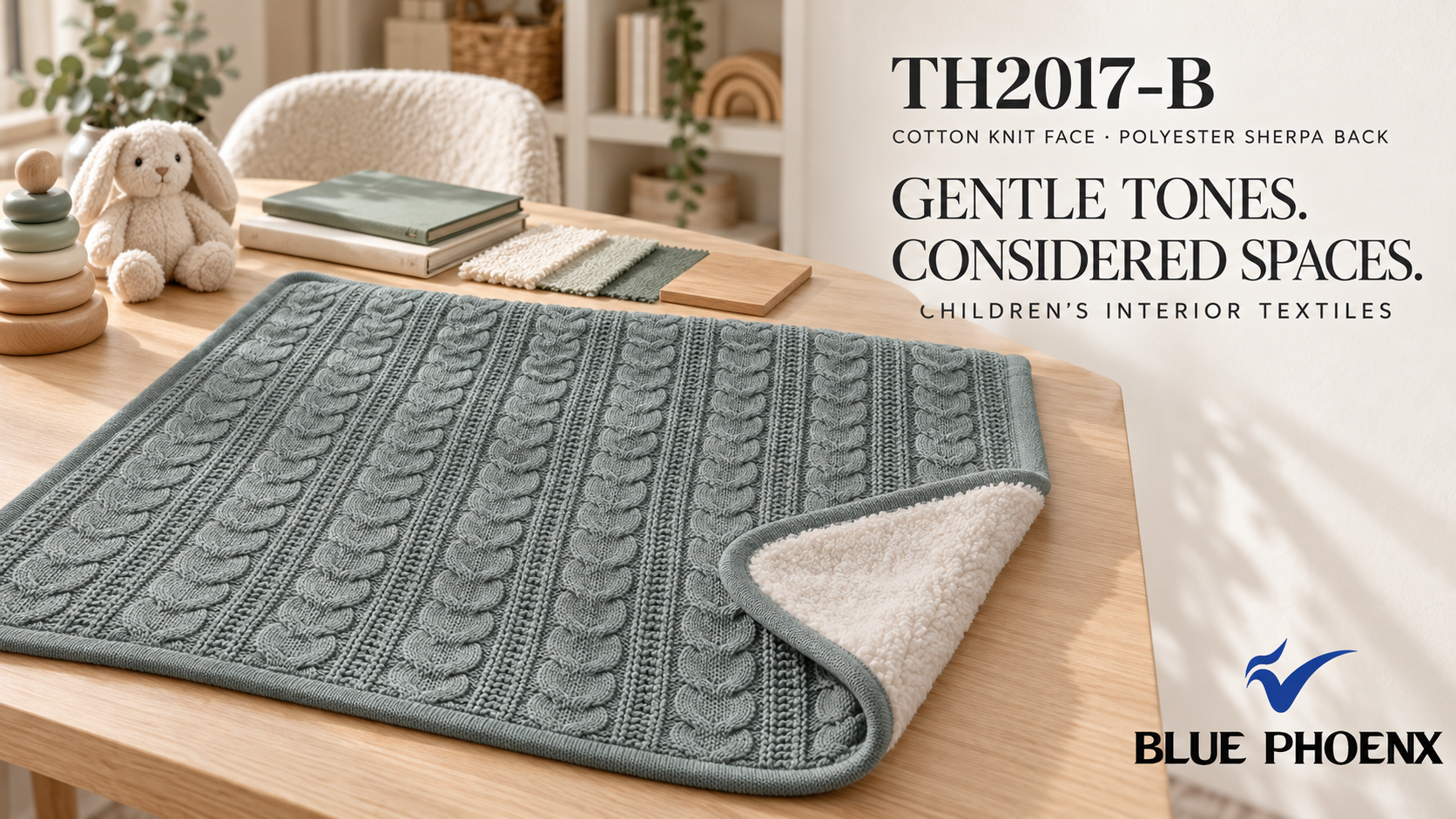
TH2017-B Cotton Knit and Sherpa Blanket
A green cable-knit face with a turned corner revealing the ivory polyester sherpa reverse.
.
It depends on the project and available working hours. Estimate from the actual pattern and a timed sample rather than relying on a universal weekend claim.
Make a representative swatch, measure gauge and time a section at a comfortable pace. Add time for corrections, edges and finishing.
It may reduce the stitch count for a given area, but pattern handling and finishing still matter. Confirm that the resulting fabric suits the design.
No. A commercial schedule can also include materials, setup, sampling, approvals, finishing, inspection and packing.
Yes, when the approved finishing method includes washing or blocking. Drying takes calendar time even when no active knitting is taking place.
Provide composition, size, target weight, stitch design, colors, construction, quantity, packaging, destination and required arrival date.
Size, gauge, stitch complexity, working pace, construction and finishing requirements all affect the estimate.
Gauge is the number of stitches and rows within a measured distance of knitted fabric.
A representative swatch helps check the planned fabric and provides measurements for estimating the larger project.
Time the actual cable repeat instead. A plain section may not represent the handling required by the finished design.
For a simple rectangle, multiply the planned stitches per row by the number of rows. Calculate borders or separate panels as additional work.
No. Calendar duration also depends on how much time you can spend per session and how often you work.
Area provides a useful comparison only when gauge, pattern and construction remain comparable.
Changing needles changes gauge and fabric characteristics. Confirm the intended result before making the substitution.
The project may still need binding off, joining, securing ends, edge finishing and an approved finishing treatment.
Update it using progress from a representative section of the actual blanket.
No. Factory equipment, setup, production organization and finishing requirements need a separate assessment.
Yarn availability, design development, construction trials, finishing and the number of review rounds can affect the schedule.
They can introduce material development and approval stages. Ask whether an existing yarn color meets the project requirements.
A lining adds another component and assembly requirements that should be included in the production plan.
Confirm the start conditions in writing, including required approvals, material readiness and payment terms.
No. Shipment preparation, transport, clearance and final delivery may have separate schedules.
Unapproved artwork or unavailable packaging can affect shipment readiness. Finalize these details during development.
Review stitch definition, dimensions, weight, drape, edges, joins and overall appearance against the agreed specification.
A dependable schedule needs the actual specification, quantity, material situation and available production capacity.
Send the intended use, material, dimensions, pattern references, target weight, quantity, packaging and delivery requirements.
KnittedBlanket, BlanketKnittingTime, KnittingGauge, BlanketProduction, CustomKnittedBlankets, CashmereKnitBlanket, CottonKnitBlanket, YakKnitBlanket, WholesaleBlankets, PrivateLabelBlankets
The Blanket Manufacturing Process: From Yarn Selection to Final Inspection
Explore the wider manufacturing stages that sit around fabric production.
What Is a Cashmere Blanket Made Of? Fibers, Blends and Construction
Compare material composition, knitted and woven structures, and separate finishing components.
How to Choose a Cashmere Blanket: Size, Weight, Weave and Care
Review specifications that help turn an initial design idea into a clearer product inquiry.
Woven and Knitted Blankets — Explore different fabric constructions and design directions.
Cotton Blankets — Compare cotton knit textures and other cotton blanket options.
Cashmere Blankets — Review cashmere designs for premium textile collections.
Yak Down Blankets — Explore yak fiber designs, including knitted options.
These products illustrate different materials, stitch structures and finishing requirements. They are references for sample discussion, not evidence of a shared production time or identical care requirements.
An ivory cashmere knitted blanket with rectangular stitch blocks and ribbed edges. Review the pattern definition, dimensions and edge construction during sample approval.
View E10003 Cashmere Knitted Blanket
A yak hair knitted blanket with vertical textured bands. Compare its structure, drape and finished surface with other knit samples.
View TCM1601 Yak Hair Knitted Blanket
A cotton blanket with moss-stitch texture. Consider its stitch appearance and finished handle when planning a cotton knit collection.
View TDW2001-B Cotton Knit Blanket
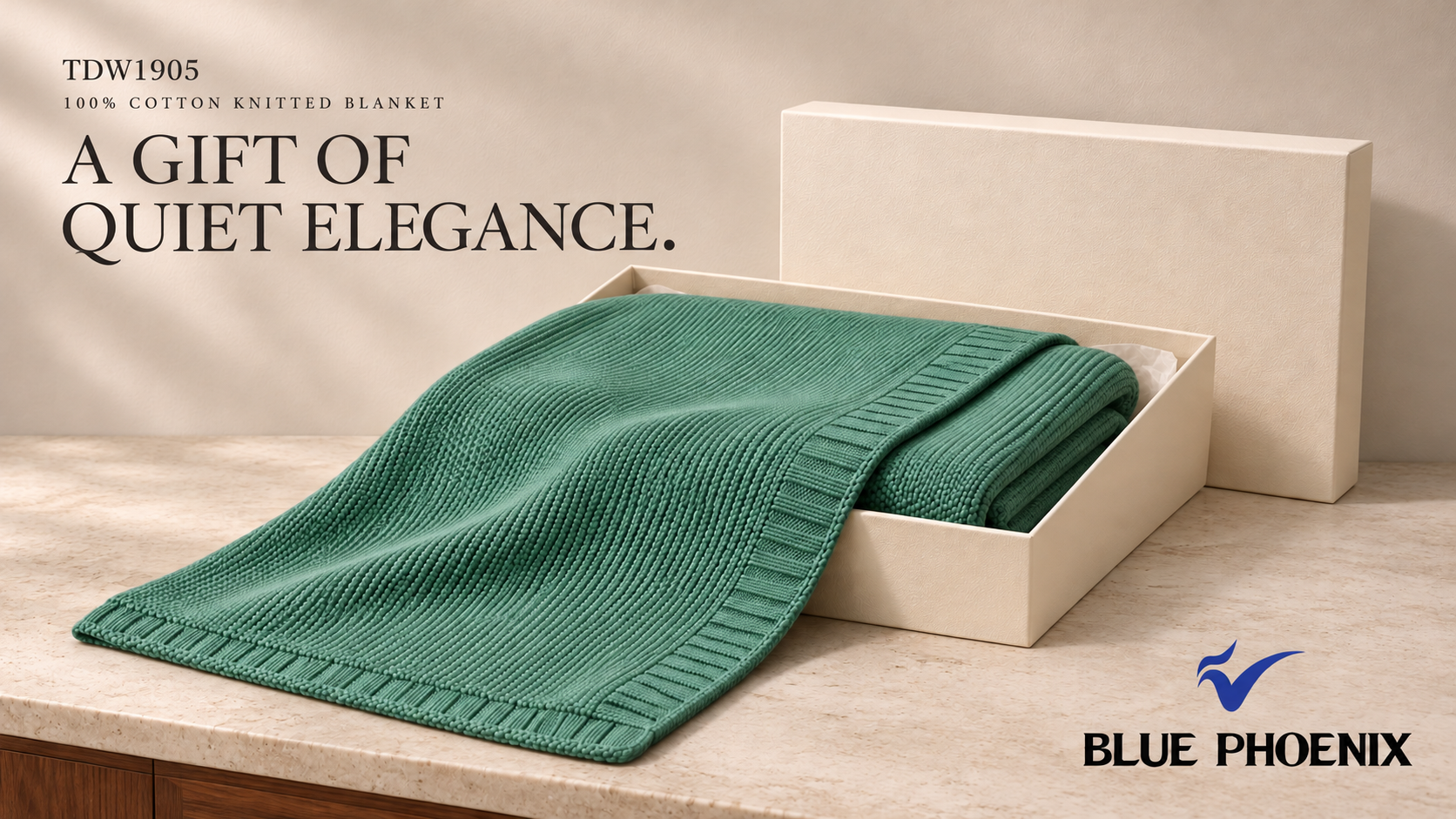
A green cotton knit blanket with seed-stitch texture, providing another reference for comparing compact knitted designs.
View TDW1905 Cotton Knit Blanket
A cotton cable knit design with ribbed edges. Review the cable repeat, border proportions and finished dimensions against the approved sample.
View TDW2020 Cotton Cable Knit Blanket
A construction combining a cotton cable knit face with a polyester sherpa reverse. Include both components and their assembly in the specification and production discussion.
View TH2017-B Cotton Knit and Sherpa Blanket
For wholesale knitted blankets, private label collections and OEM/ODM development, provide a clear specification and the date by which the order needs to arrive.
Please include your preferred composition, dimensions, stitch design, colors, target weight, edge finish, lining requirements, quantity, care expectations, labels, packaging and delivery destination.
Sample arrangements, production feasibility, quotations and lead times should be confirmed for the specific project.
Website: www.shbluephoenix.com
Email: jamesli@shrainbow.cn
WhatsApp: +86 18017830390
WeChat: bluephoenix66
Knitting & Crochet Guild: Hand Knitting Tension Square
Learn how a representative swatch helps establish stitch and row gauge.
Lion Brand Yarn: Making a Gauge Swatch
An introduction to gauge, yarn thickness and their relationship with finished dimensions.
Craft Yarn Council: Standards and Guidelines for Knitting and Crochet
Reference material for understanding common yarn and pattern terminology.

Blue Phoenix Blankets dedicated to strict quality control of blankets and scarves products and thoughtful customer service, our custom blankets wholesale products are exported to clients in such countries and regions as United states, Europe, Australia, Russia, Germany, Japan.
Copyright © 2026 Shanghai Rainbow Enterprise Development Co., Ltd. - All Rights Reserved.