High-Quality Wholesale Blankets Manufacturer & Supplier in China with custom design service - Blue Phoenix Blankets
Language
How Do You Sleep with a Wool Blanket?
A practical starting arrangement is to place a wool blanket over a top sheet, then adjust your bedding layers to suit the room and your own comfort. The sheet provides a separate surface against the skin, while the blanket adds an adjustable covering.
There is no single arrangement that suits every sleeper. Blanket dimensions, weight, surface feel, room conditions and the other bedding already on the bed all affect how the setup feels.
This guide focuses on adult bedding arrangements and explains how to select, position and care for a wool blanket. It also outlines what home-textile brands and hospitality buyers should consider when developing a blanket collection.
For an initial setup, make the bed with a fitted or bottom sheet, add a top sheet, and spread the wool blanket over it. Fold the top of the sheet back over the upper blanket edge if you prefer a sheet against your neck and shoulders.
This arrangement makes it easier to assess the blanket without immediately combining it with several heavy covers. If you feel too warm or too cool, adjust one layer at a time.
Leave enough room to move comfortably. If you tuck the blanket at the foot of the bed, avoid pulling it so tightly that it restricts your feet.
Some adults like the feel of wool directly against their skin; others prefer a smooth sheet between themselves and the blanket. Neither preference should be assumed from the material name alone.
Evaluate the actual finished blanket. Different wool products can have different surface textures, finishing and edge details. A photograph cannot establish how the fabric will feel to an individual user.
For a retail collection, clear material descriptions and accessible samples help customers choose. Avoid promising that every wool blanket will feel equally soft to every person.
A top sheet and wool blanket can form a straightforward bedding setup when the combination feels comfortable in the room. Assess the coverage and weight before adding another cover.
If you already use a duvet, a wool blanket can be added as an optional layer. Start by spreading it evenly and assess whether the complete arrangement feels too warm or heavy.
It may be convenient to keep an additional blanket folded at the foot of the bed so it can be added or removed. A decorative fold does not provide the same coverage as a blanket spread across the body.
If two adults prefer different amounts of covering, separate blankets or a personal additional layer may be easier to adjust than one tightly tucked shared blanket.
The goal is an arrangement that can be changed easily, rather than adding the maximum possible number of layers.
Blanket size should be compared with the actual mattress and intended placement. Product labels such as throw, double, queen and king can vary between markets.
Consider:
Mattress width and length.
Whether the blanket is for one adult or two.
Desired side drop and foot coverage.
Whether the blanket will be tucked in.
Whether listed dimensions include fringe.
A compact sofa throw may be useful as an additional personal layer without providing full coverage for a large bed. Conversely, a large bed blanket may have more fabric and weight than someone wants for occasional lounge use.
For product photography, show the blanket at its real scale and state the dimensions clearly.
Two blankets with the same fiber composition can feel different because of their dimensions, yarns, construction, finishing and total weight.
GSM describes mass per unit area; it is not a temperature rating. A higher GSM does not establish the exact room temperature at which a blanket will be comfortable.
Compare piece weight as well as GSM. A large blanket and a smaller blanket can have similar fabric weights but different total weights.
For sample assessment, spread the blanket, fold it and handle it as intended. Review drape, surface texture and edge construction rather than choosing from thickness claims alone.
A standard wool blanket is a covering; it should not automatically be treated as a mattress protector or a purpose-designed underblanket.
If you want an extra layer beneath the bottom sheet, select a product intended for that use and follow its instructions. A loose decorative blanket may bunch or move when used underneath the sleeper.
Retail descriptions should distinguish between bed blankets, throws, mattress toppers and mattress protectors so customers understand what they are buying.
Begin with a manageable number of layers and change the arrangement if it feels uncomfortable. Consider the room, sleepwear and existing bedding together.
A blanket should be easy to reposition or remove. Choosing natural fibers does not remove the need to assess the complete bedding setup.
Avoid relying on unsupported claims that one blanket is suitable for every season, every room or every sleeper. Personal comfort and the actual product specification remain important.
Read the finished blanket’s care instructions before washing or arranging professional cleaning. Wool composition alone does not confirm machine washability.
Airing may help provide a light refresh between cleans. When washing is allowed, use the specified method and a suitable wool detergent. Follow the drying instructions and make sure the blanket is completely dry before storage.
Pay attention to fringe, binding and folded edges during handling. If instructions are unclear, contact the supplier before applying a cleaning treatment.
For wholesale wool blankets, define how the product will be used before approving a sample.
Collection role: full bed blanket, personal layer, sofa throw or decorative bed-end piece.
Coverage: exact dimensions and whether fringe is included.
Construction: woven or knitted fabric, surface finish and edge details.
Weight: finished piece weight and GSM where relevant.
Maintenance: intended cleaning process and approved care label.
Presentation: folding, packaging, product cards and accurate imagery.
For hospitality projects, review the sample with the intended bed and laundry process. A styled bedroom photograph illustrates presentation but does not establish suitability for every operational requirement.
How do you sleep with a wool blanket? Start with a top sheet beneath the blanket, check the coverage and adjust the layers to suit your preferences and room conditions.
Choose by actual dimensions, construction, weight and surface feel. Follow the product’s care label and avoid treating a decorative throw as a full-size bed blanket or mattress protector.
For B2B buyers, a clearly defined use and approved physical sample provide a practical basis for developing a useful blanket collection.
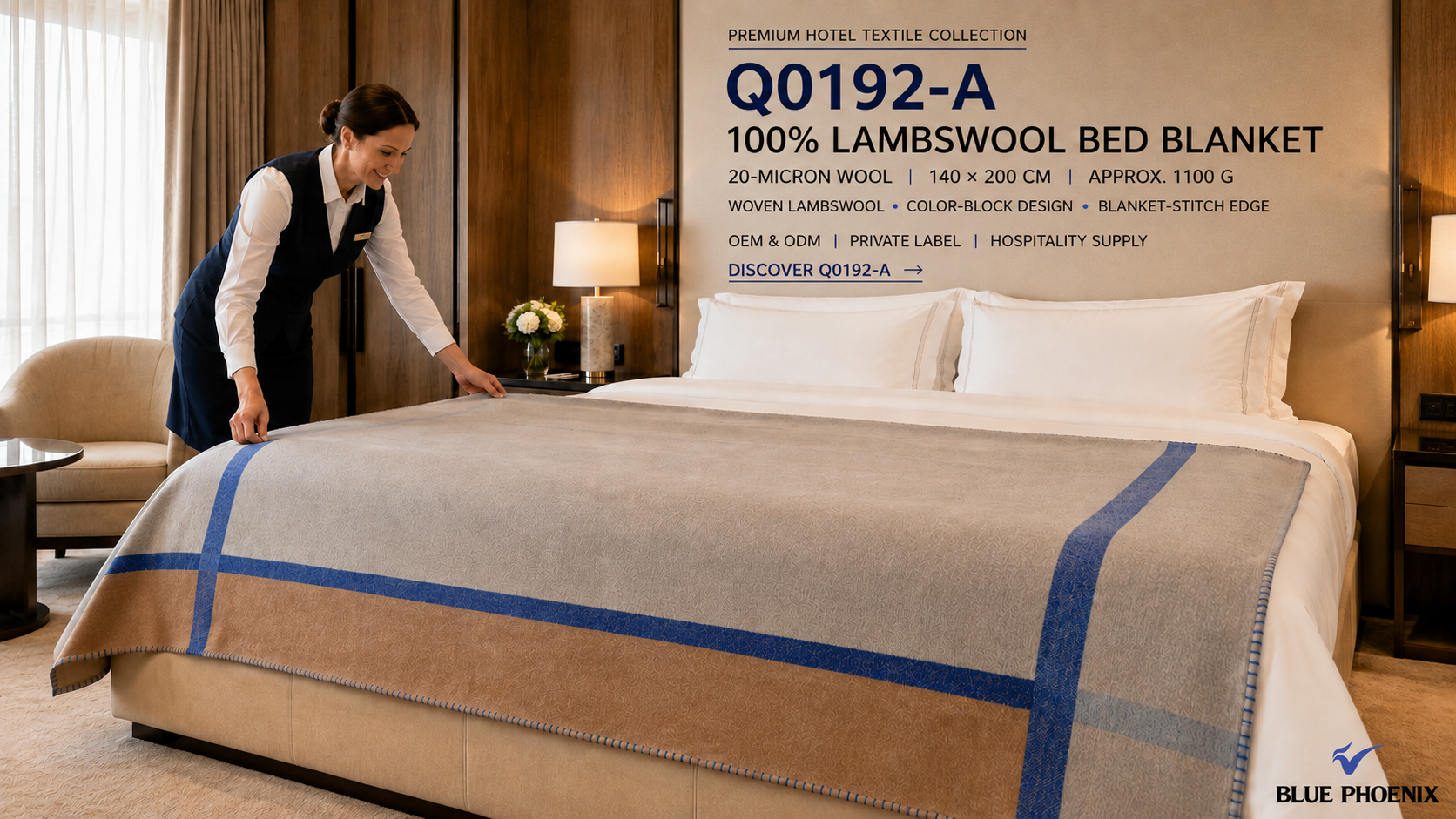
Q0192-A Lambswool Bed Blanket
Neutral lambswool blanket with contrasting blue lines for bedroom layering and premium home collections.
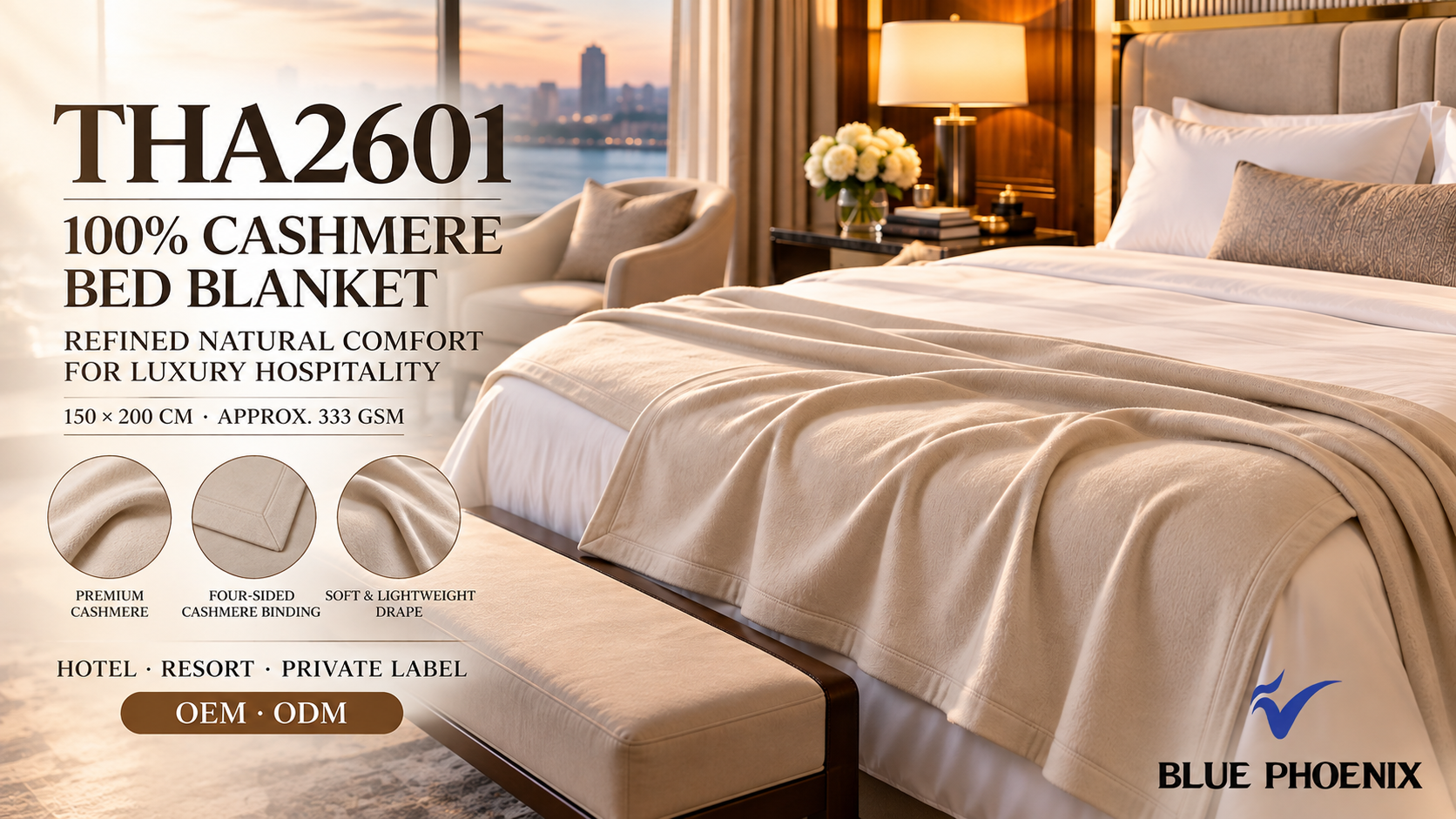
THA2601 Cashmere Bed Blanket
Plain woven cashmere bed blanket with matching binding for refined bedding and private-label collections.
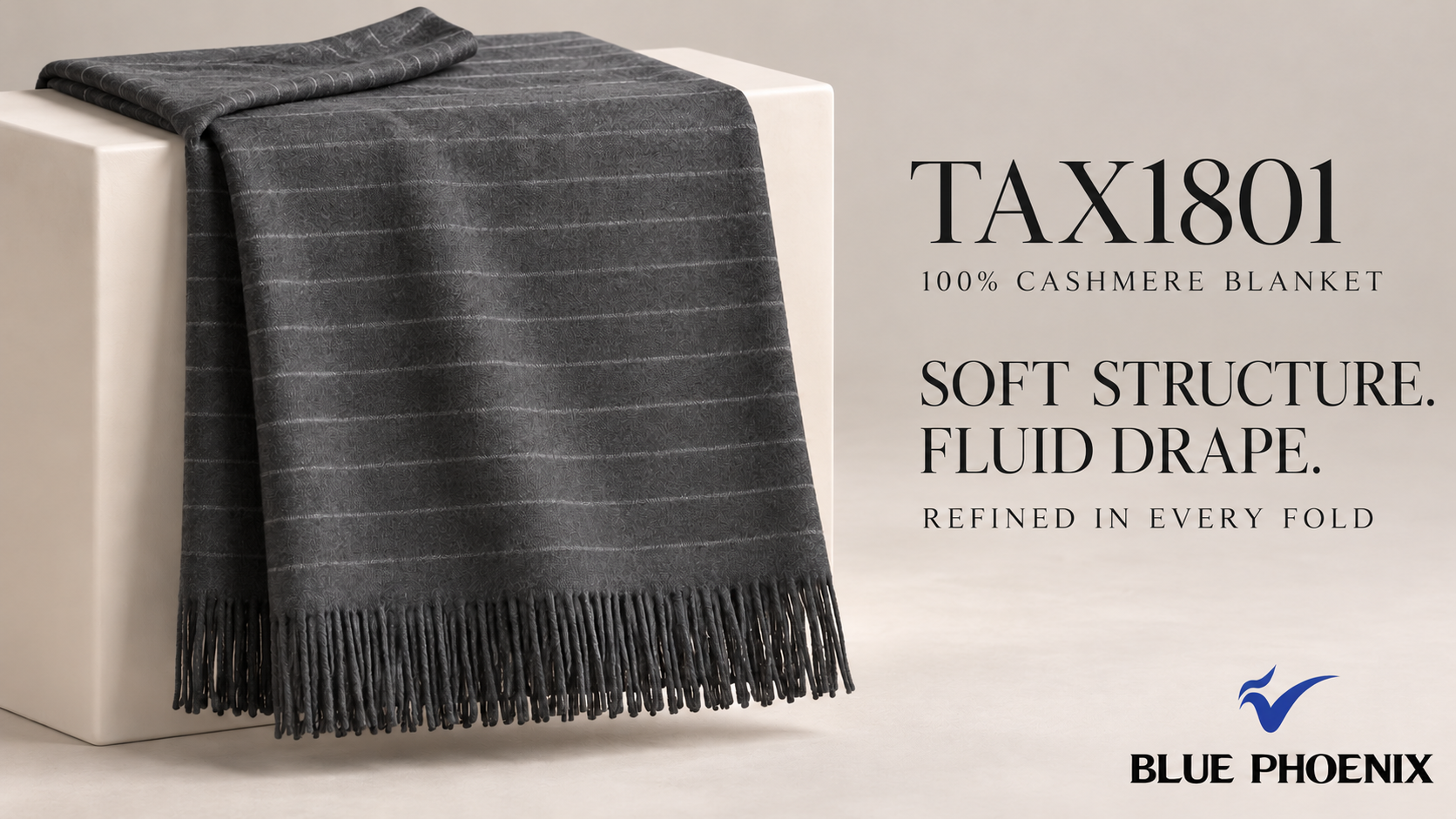
TAX1801 Cashmere Striped Blanket
Charcoal-grey woven cashmere blanket with fine light stripes and fringe for premium home and gift collections.
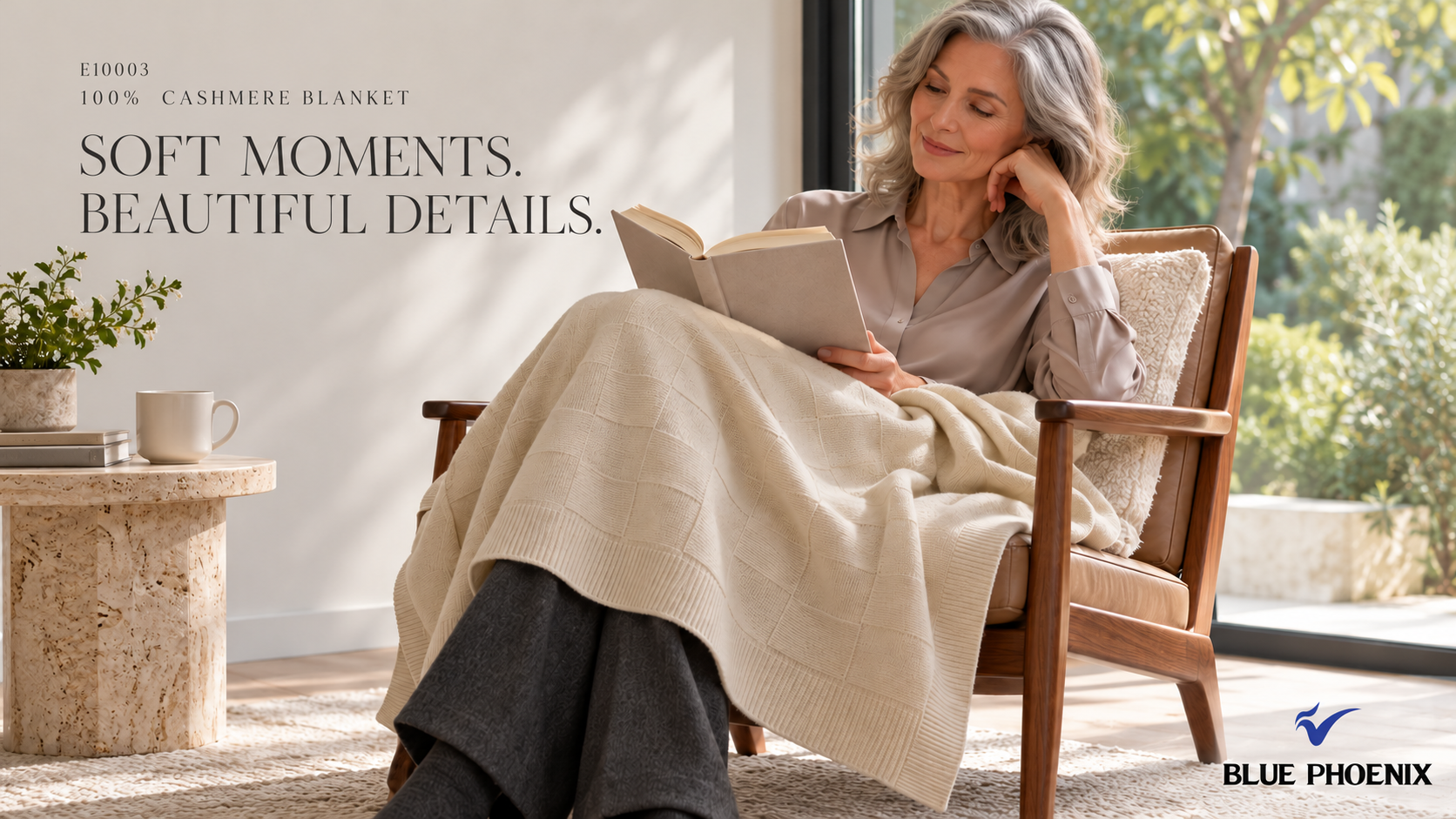
E10003 Cashmere Knitted Blanket
Cashmere knitted blanket with a tone-on-tone checkerboard texture and ribbed edges for contemporary interiors.
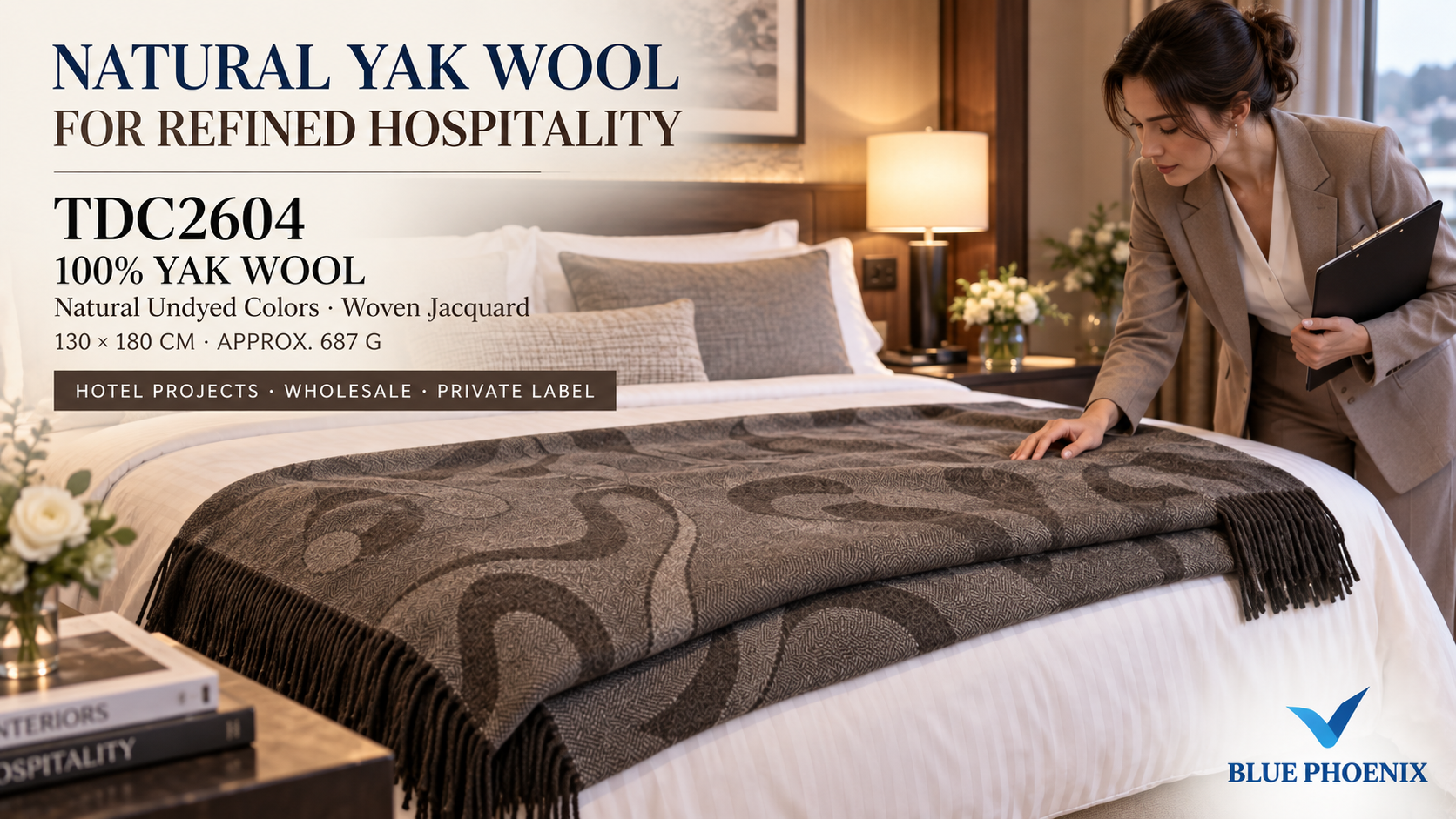
TDC2604 Yak Wool Jacquard Throw
Natural black-and-grey yak wool throw with flowing abstract jacquard patterns and fringed ends.
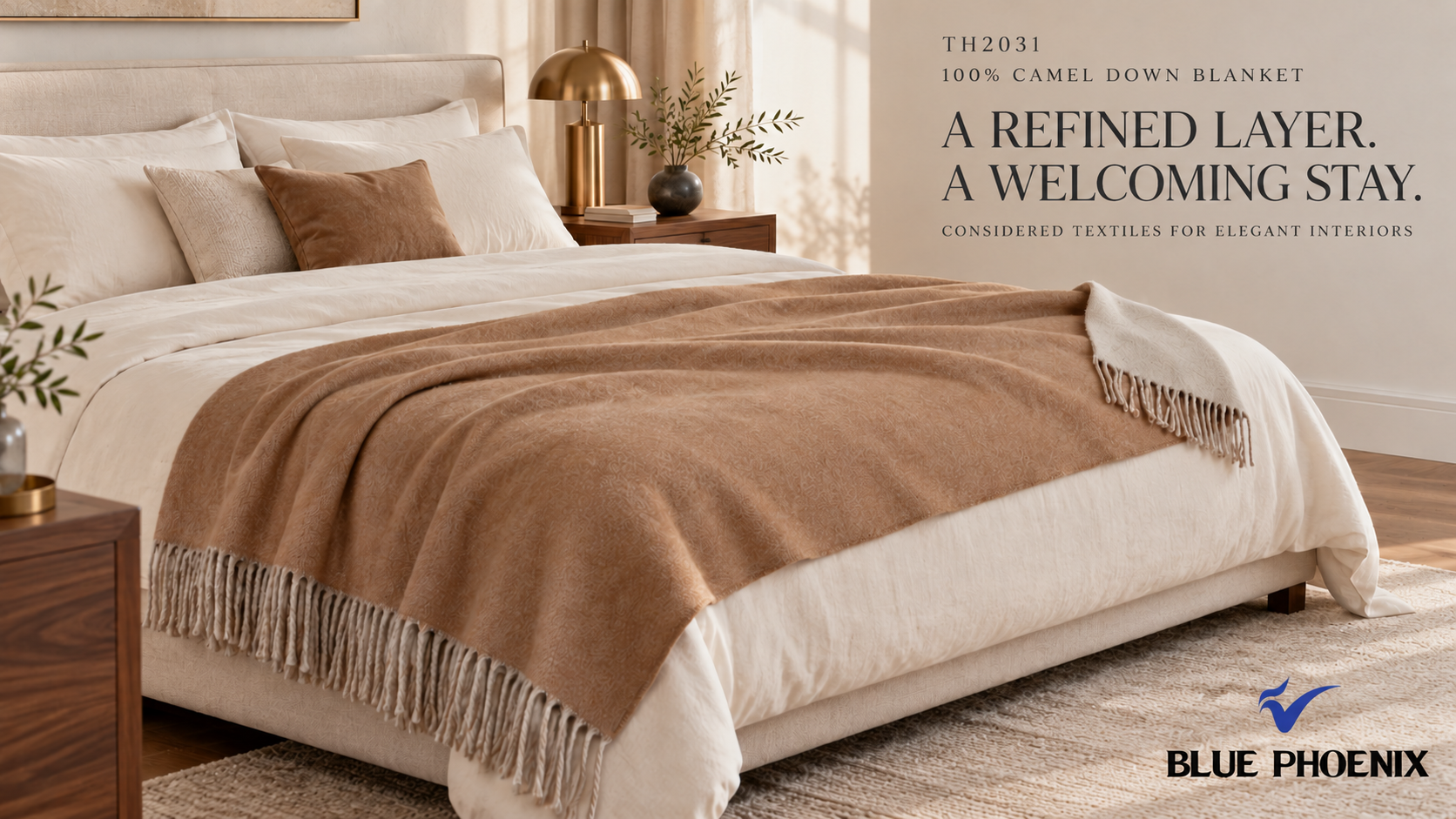
TH2031 Camel Down Throw Blanket
Camel-colored throw with a raw-white reverse and twisted fringe for natural-fiber home and lifestyle collections.
A practical adult bedding arrangement is to place the wool blanket above the top sheet. The sheet provides a separate surface against the skin, while the blanket serves as an adjustable covering.
This depends on personal preference and the actual blanket’s surface feel. Some people prefer direct contact, while others prefer a sheet between themselves and the wool. Evaluate a physical sample rather than assuming every wool product feels identical.
Yes, it can be considered as an additional layer. Assess the complete bedding arrangement and remove or reposition a layer if it feels too warm or heavy.
Check the exact measurements against the mattress and desired coverage. A compact throw may work as a personal additional layer or decorative piece without providing full-bed coverage.
GSM measures mass per unit area and does not establish a temperature rating. Consider dimensions, total weight, construction, the other bedding and your own comfort together.
A standard blanket should not automatically replace a purpose-designed mattress protector or underblanket. Choose a product intended for the proposed use and follow its instructions.
Use a bottom sheet, a top sheet and a wool blanket, then assess whether another layer is needed.
It places the sheet against the neck and shoulders for users who prefer that surface.
No. Leave enough room to move comfortably, especially around the feet.
Yes. It can be stored there as an optional layer to spread when needed.
No. Coverage depends on how far the blanket is opened and its actual dimensions.
Yes. Separate coverings allow each person to adjust their own arrangement.
No. Materials, construction and finishing can produce different surface characteristics.
No. A physical sample provides a better basis for assessing feel and drape.
No. State the blanket dimensions and compare them with the actual mattress.
Check whether listed dimensions include fringe and distinguish decorative length from fabric-body coverage.
No. Consider weight, dimensions, structure and the intended use together.
No. GSM is a fabric-weight measurement, not a comfort-temperature rating.
Do not assume so. Room conditions, other bedding and individual preferences vary.
Use a purpose-designed product if you want an under-sheet or mattress-related layer.
No. Compare their dimensions, weight, construction and intended role.
No. Follow the finished product’s care label.
No. It can provide a light refresh but does not address every type of soiling.
Review bed coverage, guest presentation, handling and the intended laundry process.
Do not make a treatment claim without appropriate evidence for the specific product and claim.
A defined use, exact specification, approved sample and clear care information.
#WoolBedBlanket #BeddingLayers #LambswoolBlanket #CashmereBedBlanket #NaturalFiberBedding #BlanketSizeGuide #BedroomTextiles #WholesaleBlankets #PrivateLabelBedding #BluePhoenix
Wool Blanket Cleaning: Understand why cleaning choices should follow the finished blanket’s care label.
Is It Better to Wash or Dry Clean a Wool Blanket?
Cashmere Blanket Care: Review cleaning, drying and storage considerations when developing a wider natural-fiber collection.
How to Wash and Care for a Cashmere Blanket
Compare wool bed blankets and throws with different sizes, constructions and finishes for bedroom layering and home textile collections.
Explore cashmere blankets in plain, striped and knitted designs. Evaluate their dimensions and intended role before describing them as full-bed coverings.
Introduce another natural-fiber direction through yak down blankets. Review individual samples for construction, surface appearance, dimensions and care requirements.
Consider camel wool blankets for natural-fiber bedroom and lifestyle assortments. Confirm composition, coverage and finishing for the selected model.
This selection offers different roles within a bedroom and lifestyle collection. Product selection should follow actual dimensions, sample evaluation and care requirements rather than a general promise of sleep benefits.
Q0192-A combines a neutral color-block direction with contrasting blue lines. It provides a lambswool option for buyers developing bedroom layers and coordinated home collections.
View Q0192-A Lambswool Bed Blanket
THA2601 offers a plain woven cashmere design with matching binding. Buyers can assess it for refined bedding assortments where the material surface and clean perimeter are central to the presentation.
View THA2601 Cashmere Bed Blanket
TAX1801 features a charcoal-grey ground, fine light stripes and fringed ends. Its restrained striped design provides an alternative to plain blankets and larger decorative motifs.
View TAX1801 Cashmere Striped Blanket
E10003 introduces a knitted construction with a tone-on-tone checkerboard texture and ribbed edges. It gives buyers a different structure to compare with woven cashmere blankets.
View E10003 Cashmere Knitted Blanket
TDC2604 uses natural black-and-grey yak wool colors with an abstract flowing-curve jacquard design. Its fringed throw format provides a distinct option for lounge styling and additional personal layers.
View TDC2604 Yak Wool Jacquard Throw
TH2031 combines camel and raw-white tones with fringed ends. It provides another material and color direction for natural-fiber home accessories and gift assortments.
View TH2031 Camel Down Throw Blanket
Looking for wholesale wool blankets, cashmere bed blankets or natural-fiber throws? BLUE PHOENIX can discuss product selection and OEM or ODM requirements for your collection.
Send your intended product role, mattress or furniture dimensions, preferred materials, target weight, colors, quantity, destination and packaging requirements.
For hospitality projects, include the proposed laundry and handling conditions so suitability can be reviewed before sample approval.
Email:jamesli@shbluephoenix.com
Website:www.shbluephoenix.com

Blue Phoenix Blankets dedicated to strict quality control of blankets and scarves products and thoughtful customer service, our custom blankets wholesale products are exported to clients in such countries and regions as United states, Europe, Australia, Russia, Germany, Japan.
Copyright © 2026 Shanghai Rainbow Enterprise Development Co., Ltd. - All Rights Reserved.